
Managing money is an important life skill that helps people make better decisions, achieve personal goals, and prepare for the future. Whether someone earns a regular salary, runs a small business, or works independently, understanding basic financial principles can make everyday life easier. Good financial management is not only about earning more money; it is also about spending wisely, saving regularly, controlling debt, and planning for unexpected expenses.
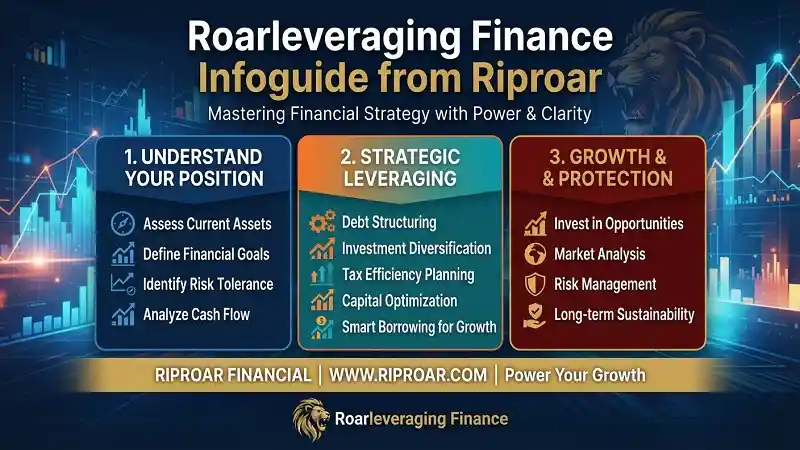
The concept of roarleveraging finance infoguide from riproar can be explored as a practical approach to understanding financial management, improving money habits, and making informed financial decisions. It brings attention to the importance of learning how money works and using available resources responsibly. With a clear financial plan, individuals can better understand their income, expenses, savings, investments, and long-term responsibilities.
Financial knowledge does not need to be complicated. By learning a few essential concepts and applying them consistently, people can build healthier financial habits over time. This article explains the fundamentals of personal finance, budgeting, saving, debt management, investment awareness, and financial planning in simple language.
1. Understanding the Basics of Personal Finance
Personal finance refers to the way individuals manage their money and financial responsibilities. It includes earning income, paying bills, purchasing necessities, saving for future needs, and making decisions about investments or borrowing.
The first step toward better financial management is understanding how much money comes in and how much goes out. Without this knowledge, it becomes difficult to identify unnecessary spending or determine whether financial goals are realistic.
Personal finance generally includes five major areas:
-
- Income management: Understanding earnings from employment, business activities, or other legitimate sources.
-
- Expense management: Tracking regular bills, household costs, transportation, and personal purchases.
-
- Saving: Setting aside money for emergencies and future plans.
-
- Debt management: Borrowing responsibly and developing a realistic repayment strategy.
-
- Investment planning: Learning how different investment options work and evaluating their potential risks.
These areas are connected. For example, controlling unnecessary expenses can increase savings, while maintaining manageable debt can leave more money available for important goals.
A strong financial foundation begins with awareness. Even a simple record of monthly income and spending can reveal useful information about personal financial habits.
2. Creating a Practical Monthly Budget
A budget is a plan for how money will be used over a specific period. It helps individuals distribute their income among essential expenses, savings, debt payments, and optional purchases.
Creating a budget does not mean avoiding every enjoyable activity. Instead, it means making deliberate choices so that current spending does not interfere with future needs.
Start by calculating your total monthly income after taxes and other required deductions. Next, list all regular expenses, including housing, food, utilities, transportation, education, insurance, and debt payments. Then identify variable expenses, such as entertainment, clothing, dining out, and occasional purchases.
Compare the total expenses with your available income. If expenses exceed income, review flexible spending categories and look for realistic ways to reduce costs.
One popular budgeting approach is the 50/30/20 guideline. Under this method, approximately 50 percent of after-tax income is allocated to needs, 30 percent to wants, and 20 percent to savings and debt repayment. These percentages are only a starting point. People with different incomes, family responsibilities, or living costs may need another arrangement.
The most useful budget is one that reflects your actual circumstances and can be maintained consistently.
3. Building a Reliable Savings Habit
Saving money provides financial protection and creates opportunities for future purchases or personal goals. However, many people find saving difficult because they wait until the end of the month to see what remains.
A more reliable approach is to include savings as a planned expense. Whenever income arrives, transfer a manageable amount into a separate savings account or another suitable, secure place.
Start with a realistic target. If saving a large amount is not possible, begin with a small weekly or monthly contribution. The purpose is to establish consistency rather than achieve immediate perfection.
An emergency fund is especially important. It can help cover unexpected medical bills, urgent household repairs, temporary unemployment, or other unforeseen expenses. A common long-term goal is to build enough savings to cover three to six months of essential living expenses, although even a smaller initial reserve can be useful.
Keep emergency savings accessible and separate from money intended for routine spending. Avoid placing money needed for immediate emergencies into investments that may fluctuate in value or be difficult to withdraw.
It is also helpful to create separate savings goals for planned expenses, such as education, travel, home improvements, or a major purchase. Clear goals make saving more meaningful and easier to track.
4. Managing Debt Responsibly
Debt can help people meet certain needs, finance education, or support business activities. However, excessive borrowing can create long-term financial pressure, especially when interest rates and repayment obligations are not fully understood.
Before accepting a loan or using credit, review the interest rate, repayment schedule, fees, penalties, and total amount payable. A low monthly payment does not necessarily mean a loan is affordable because the repayment period may be longer and the overall cost higher.
If you already have several debts, list each balance, interest rate, minimum payment, and due date. This information provides a clear picture of your obligations.
Two common repayment methods are the debt avalanche and the debt snowball.
The debt avalanche method prioritizes the debt with the highest interest rate while maintaining required payments on other debts. It can reduce the total interest paid over time.
The debt snowball method prioritizes the smallest outstanding balance. Paying off smaller debts first may provide motivation, although it can sometimes cost more in interest.
Choose the method that fits your financial situation and helps you remain consistent. Contact lenders early if you anticipate missing a payment, and be cautious of services that promise to eliminate debt quickly without explaining their fees or conditions.
Responsible debt management protects financial flexibility and supports future goals.
5. Learning the Fundamentals of Investing
Investing involves committing money to an asset or financial product with the expectation of earning a return over time. Common investment categories include stocks, bonds, mutual funds, exchange-traded funds, property, and certain regulated savings or investment products.
Every investment carries some form of risk. Prices can fall, returns may be lower than expected, and some investments may be difficult to sell quickly. Understanding these risks is essential before committing money.
A useful starting point is to establish your investment purpose. Someone saving for a purchase within a year may need greater stability and accessibility than someone investing for retirement several decades away.
Time horizon, financial capacity, and risk tolerance should all influence investment decisions. Diversification, which means spreading investments across different assets or sectors, can help reduce the impact of poor performance in any single investment. However, diversification cannot eliminate every risk or guarantee a profit.
It is also important to understand fees, taxes, withdrawal restrictions, and the rules that apply in your country. Research investment providers and verify whether they are properly authorized where required.
Never invest money simply because someone promises guaranteed high returns. Claims of fast, risk-free profits are a warning sign that deserves careful investigation.
For beginners, learning the basics and starting cautiously can be more valuable than attempting to predict short-term market movements.
6. Using Financial Information to Make Better Decisions
Reliable financial information helps people compare options, understand costs, and make decisions based on evidence rather than assumptions.
The roarleveraging finance infoguide from riproar concept can be approached as a reminder to organize financial knowledge into practical steps. Rather than relying on complicated terminology, individuals can focus on questions that directly affect their money.
For example, before making a major purchase, ask whether it is necessary, whether it fits the budget, and whether buying it now could interfere with other priorities. Before taking a loan, calculate the total repayment amount. Before choosing an investment, consider its risks, costs, and suitability for your goals.
Financial information can come from educational books, recognized financial institutions, government resources, qualified professionals, and official regulatory authorities. Comparing information from more than one reliable source can help identify misleading claims.
Be careful with online advice that promotes a particular product without explaining the disadvantages. Financial decisions should be based on your circumstances, not on pressure, popularity, or fear of missing an opportunity.
Keeping records of important decisions, payments, and financial goals can also make future planning more organized.
7. Setting Short-Term and Long-Term Financial Goals
Financial goals provide direction and help people decide how to use limited resources. Without clear priorities, it is easy to spend money on immediate wants while postponing important needs.
Short-term goals may include paying a bill, saving for a household appliance, or building an initial emergency fund. Medium-term goals could involve paying for professional training, purchasing a vehicle, or preparing for a major family expense. Long-term goals may include retirement planning, buying property, or funding a child’s education.
A useful way to organize goals is to make them specific, measurable, achievable, relevant, and time-bound.
For example, instead of saying, “I want to save more money,” set a target such as saving a defined amount every month for one year. Review the target regularly and adjust it when income or expenses change.
It is also important to rank goals according to urgency. Essential bills, minimum debt payments, and emergency needs generally deserve attention before optional purchases.
Progress does not always happen at the same speed. Unexpected expenses may temporarily reduce savings, and changes in employment may require a revised plan. Flexibility is a normal part of responsible financial planning.
8. Common Financial Mistakes to Avoid
Many financial difficulties develop through repeated habits rather than one major mistake. Recognizing common problems can help people make improvements before they become serious.
Spending more than you earn: Regular overspending can lead to debt and reduce the ability to save. Track expenses and adjust your budget when necessary.
Ignoring small expenses: Frequent low-cost purchases can add up significantly over a month. Review spending patterns instead of focusing only on large bills.
Having no emergency savings: Without a financial reserve, unexpected costs may require expensive borrowing. Build a reserve gradually.
Borrowing without understanding the terms: Always examine interest, fees, repayment periods, and penalties before accepting credit.
Making emotional investment decisions: Fear, excitement, and social pressure can lead to poor choices. Evaluate investments according to your goals and risk tolerance.
Ignoring financial records: Missing payment dates or forgetting obligations can cause unnecessary fees. Use a calendar, reminders, or a simple spreadsheet to stay organized.
Improving these habits takes time, but small changes can produce meaningful results when maintained consistently.
9. A Simple Guideline for Improving Financial Health
A practical financial routine does not need to be complicated. Begin by following a few repeatable steps.
-
- Review your income: Know how much money is available after deductions.
-
- Record your spending: Identify essential costs and optional purchases.
-
- Create a budget: Assign money to bills, savings, debt, and personal needs.
-
- Build emergency savings: Contribute regularly, even if the amount is small.
-
- Review your debts: Understand repayment requirements and prioritize expensive borrowing.
-
- Learn before investing: Research risks, fees, and applicable regulations.
-
- Check your progress: Review your finances monthly and update your plan when circumstances change.
You can use a notebook, spreadsheet, or budgeting application to maintain records. Choose a method that is easy to understand, secure, and convenient to update.
Protect your financial information by using strong passwords, enabling multifactor authentication where available, and avoiding the disclosure of banking codes or account credentials to unverified individuals.
If a financial decision is complex, consider seeking guidance from a qualified professional who understands your needs and the rules applicable to your location.
Conclusion
Financial management is a practical skill that can improve with knowledge, planning, and consistent effort. Understanding income, controlling expenses, building savings, managing debt, and learning about investments can help individuals make more informed decisions and prepare for future responsibilities.
The key is to begin with simple actions instead of waiting for the perfect financial situation. Track spending, set realistic goals, protect emergency savings, and review progress regularly. Avoid decisions based on unrealistic promises, and take time to understand the costs and risks associated with financial products.
Ultimately, the value of a financial guide lies in how effectively its principles can be applied to everyday life. By developing responsible habits and using trustworthy information, individuals can build greater financial stability and work toward their personal and professional goals with more confidence. See More